
Diagnosing networks is a skill, not a guessing game
From packet loss to misconfigured routes — structured courses that teach you to read what the network is actually saying, step by step.
See all formatsThree ways to work through the material
Each format suits a different schedule and learning style. The content is the same — how you access it is up to you.
Group Sessions
Live cohort-based classes with an instructor. You follow the same schedule as others, which helps with consistency. Questions get answered in real time, and peer discussion adds a layer of practical context.
Private Lessons
One-on-one sessions with an instructor, built around your current level and your specific problem areas. The pace adjusts to you, and you can stop to ask anything without holding up a group.
Async Modules
Pre-recorded lessons with practice labs you complete at your own pace. Useful when your schedule doesn't allow live sessions, or when you want to revisit specific topics after a live course.
How a course actually runs
Each step is tied to a concrete outcome — not a module title, but something you can do with a tool or in a terminal after completing it.
Assessment and placement
A short intake session maps your current knowledge — tools you've used, problems you've run into, gaps in routing or switching concepts.
Structured lab work
Sessions are built around scenarios — a flapping interface, an unreachable subnet, a loop in the switching topology. Each scenario has a documented resolution path.
Live troubleshooting review
The instructor walks through what you got right, where your diagnostic logic went sideways, and what a faster resolution path would have looked like.

What learners have worked through across all formats
Numbers collected from completed cohorts and private lesson feedback since 2021. They reflect what was actually delivered, not projected targets.
The people who run the sessions
Both instructors have worked in network operations before teaching. The course material reflects what they've had to diagnose under actual pressure.
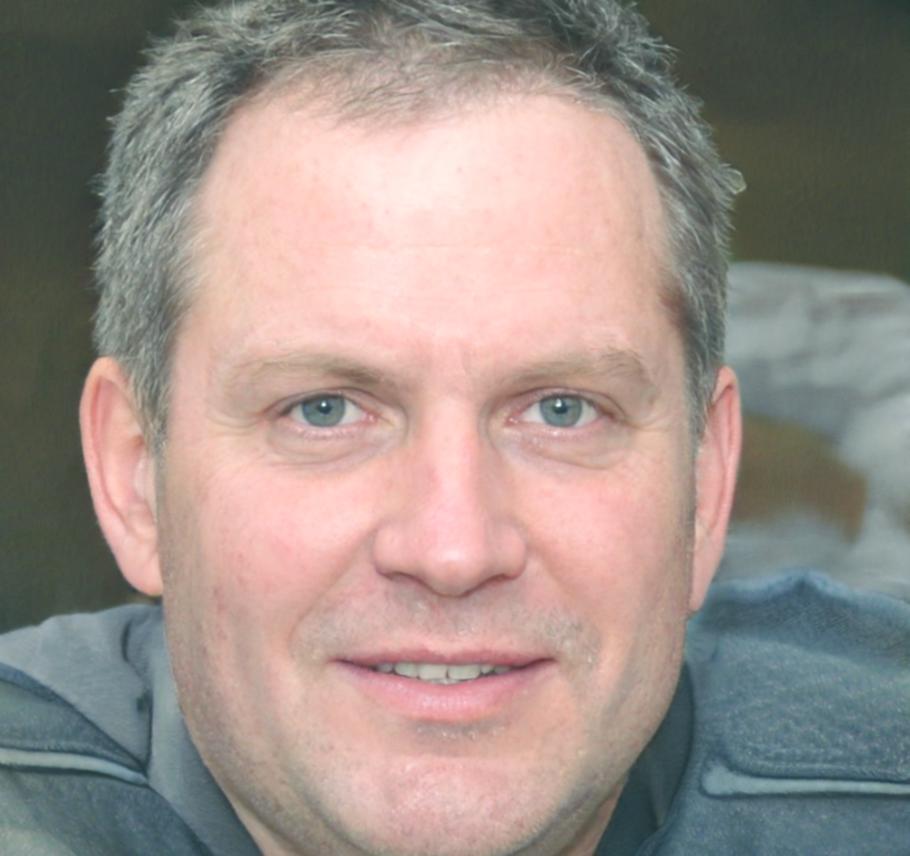
Bohdan Svirko
Network Lab Instructor
"The fastest way to get better at troubleshooting is to be wrong in a controlled environment where someone explains the gap."
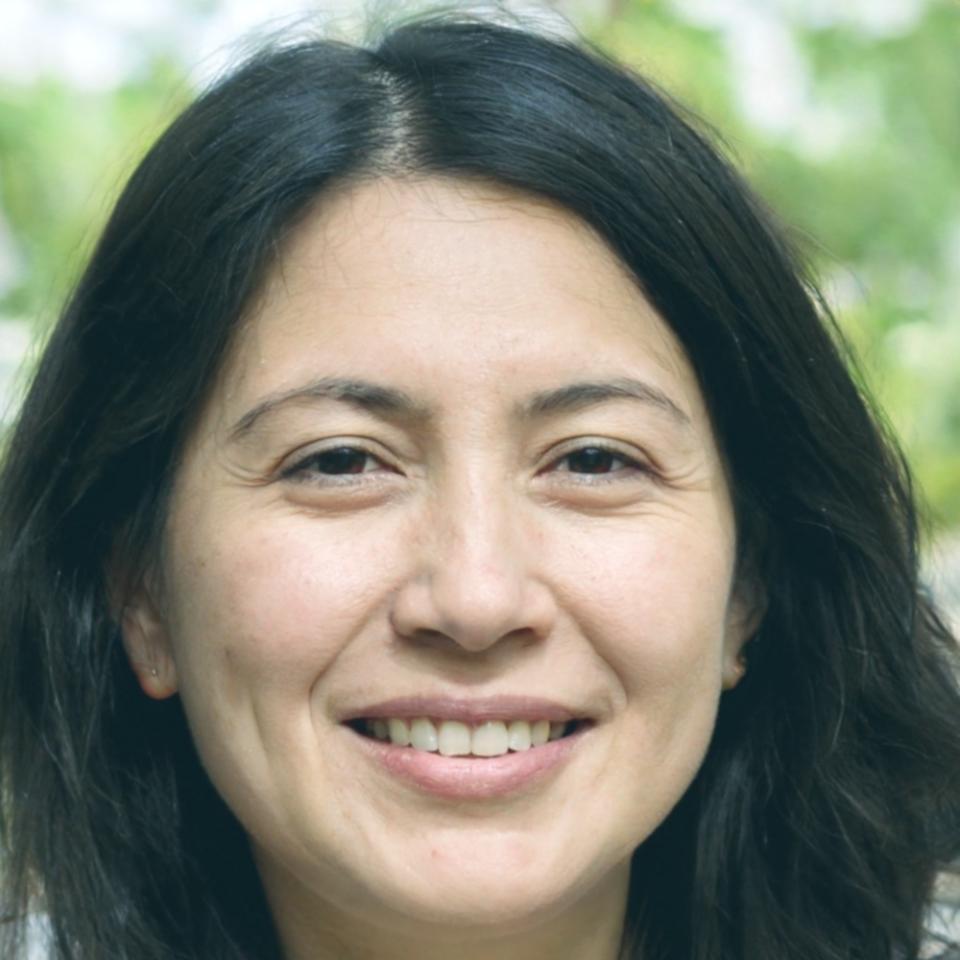
Daryna Marchuk
Private Sessions Lead
"Most learners already have the right instincts — they just need a framework for when those instincts get overwhelmed by noise."
Session types available with each instructor
Getting started takes one form
Fill in your details, pick a format, and someone from the team will follow up within a working day to confirm availability and discuss where to begin.